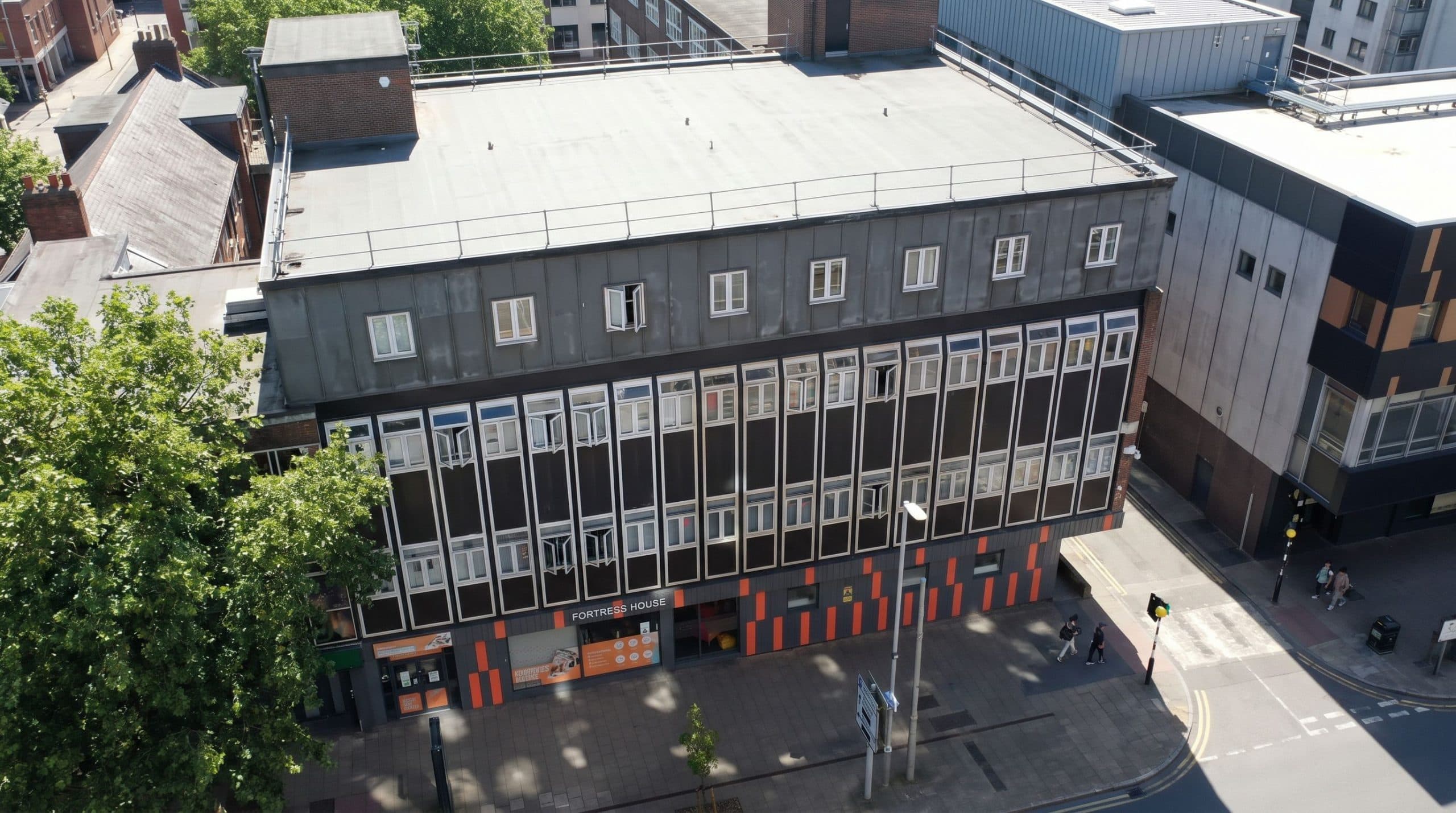

The current surplus of student accommodation in Coventry has led the owners of Fortress House, located on Corporation Street, to propose plans to convert part of the building into Houses in Multiple Occupation (HMOs). Specifically, they have applied to create a 16-bed HMO designed for 21 people on the third floor, alongside a five-bed HMO catering for five individuals on the fourth floor, as reported by Coventry Live.
Currently, the upper floors of Fortress House are designated solely for student accommodation, but they have been experiencing consistently low occupancy levels. The agents involved have noted that the current situation is unsustainable in the long term. However, the remaining floors will remain reserved for students, who will still have the option to move into the repurposed third and fourth floors should demand for additional rooms arise.
Market Implications
Richard Morgan from IC Planning emphasises that the proposal will positively contribute to meeting local housing needs without adversely affecting the existing family housing market. The intention behind the HMOs is to provide suitable accommodation for young professionals and graduates seeking convenient living quarters in close proximity to jobs, services, and transportation links.
Moreover, the repurposing of existing student accommodation represents a pragmatic and sustainable approach to navigating the shifting market conditions. Ensuring that the building continues to fulfill housing needs rather than remaining partially vacant is crucial for both the local community and the owners.
Broader Context of Student Accommodation
Coventry is not alone in facing these challenges; analysis from the Higher Education Policy Institute (HEPI) indicates that national PBSA occupancy rates fell to approximately 85% in 2025-26. This decline is stark compared to the 95-98% occupancy levels that many developments were initially designed to achieve. The reduction in international student numbers, coupled with a notable shift towards full-time students opting to live at home, has exacerbated the issue.
While some councils had hoped that new PBSA developments would facilitate the return of older student HMOs to family housing, the reality is that many PBSA operators are now resorting to rent discounts to fill vacancies. This trend has further strained the older student HMOs, which are struggling to compete in the current market.
Statistical Insights
Recent data from HEPI reveals a significant drop in demand for first-year undergraduate accommodation in Nottingham, plummeting from a peak of 46,295 beds during the Covid-19 pandemic in 2022-23 to just 42,290 beds by 2025-26. Concurrently, the supply of PBSA beds has surged, with over 7,700 new beds added, accounting for 13.8% of all new build beds in the UK within that timeframe.
In response to these challenges, back in 2024, the Midlands council had been working to encourage more students to reside in purpose-built student accommodation instead of traditional HMOs, approving a plan to help “balance communities” by promoting purpose-built blocks.