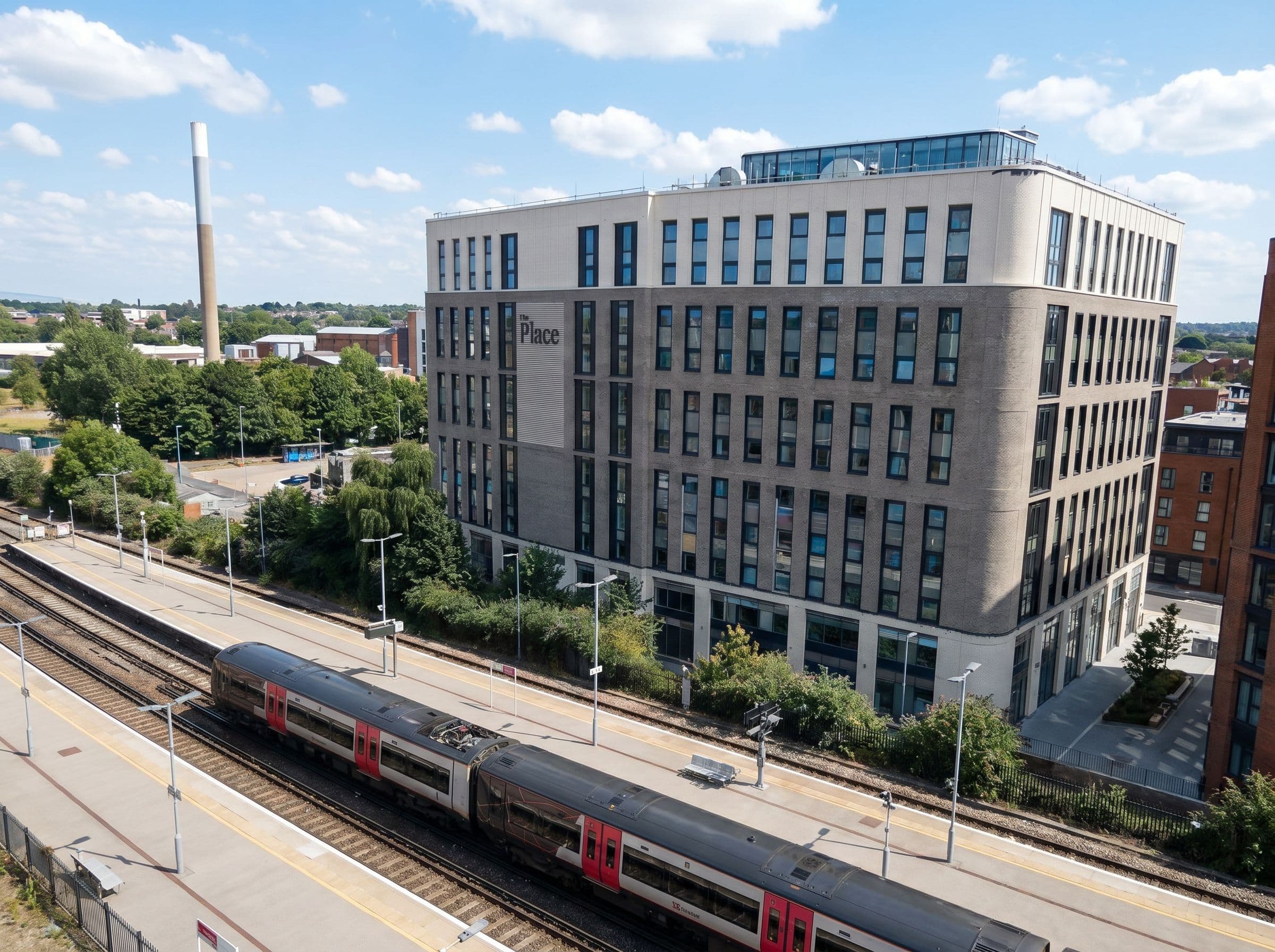

Nottingham is currently experiencing a paradigm shift in its student accommodation landscape after years of rapid expansion. According to a recent report set to be reviewed by the Nottingham City Council’s Homes, Economy and Infrastructure Scrutiny Committee on 15 June, there is a growing consensus among council officers that future strategies should pivot away from merely constructing more student flats. Instead, the focus should be on ensuring that the right type of student accommodation is being provided to meet evolving demand.
Shifting Market Dynamics
The report highlights that Nottingham’s purpose-built student accommodation (PBSA) sector is maturing, with evidence pointing towards a softening demand and increasing vacancy rates. Notably, the overall vacancy rate in purpose-built student accommodation has surged to 12.7 per cent, with studio apartments facing the highest levels of unoccupied rooms, reaching 16.1 per cent. In contrast, shared cluster accommodations demonstrate stronger performance with an 11.6 per cent vacancy rate, reflecting the preferences of many returning students who favour more affordable and communal living arrangements.
This evolving landscape indicates that the council’s previous policies, which were implemented in response to the booming student population, may now require reassessment. The council had previously introduced an Article 4 Direction in 2012, aimed at controlling the conversion of traditional homes into houses in multiple occupation (HMOs) to mitigate the impact of student housing on local communities. This policy, along with the Land and Planning Policies Document adopted in 2020, effectively promoted PBSA in sustainable locations while enforcing stricter controls on HMOs.
Declining Student Numbers
Recent statistics reveal a notable decline in the number of full-time students needing accommodation in Nottingham, dropping from 52,743 in 2022/23 to 41,314 in 2025/26. This reduction can be attributed to multiple factors, including a fall in international postgraduate recruitment, changes in dependant visa regulations effective from January 2024, rising cost-of-living concerns, and a growing trend of students commuting from home or residing outside the city. The proportion of students commuting or living outside Nottingham has increased from 17 per cent in 2016/17 to 23 per cent in 2025/26, further impacting demand for purpose-built accommodation.
Implications for Future Developments
The report underscores the necessity for Nottingham City Council to adapt its planning approach to better reflect the changing dynamics of the student accommodation market. Future planning decisions will not solely hinge on the number of beds proposed but will also consider the type, mix, affordability, and long-term suitability of the accommodation. This is evidenced by the council’s refusal in 2025 of a large PBSA scheme consisting entirely of studios, which was deemed unresponsive to the identified demands within the city. Both the University of Nottingham and Nottingham Trent University supported this stance during the planning process.
Moreover, the council’s decision-making processes are increasingly informed by data provided by local universities, which help distinguish between headline student enrolment figures and the actual number of students requiring accommodation in the city. This collaboration has resulted in a shift towards more shared accommodation options and a decreased reliance on studio apartments.
Financial Considerations and Trends
From a financial perspective, the report indicates that the higher concentration of dedicated student accommodation within Nottingham may have contributed to moderating rental prices. While average student accommodation rents across the UK have risen by approximately 4.4 per cent, Nottingham has witnessed a decrease of around 2.9 per cent during the same timeframe. Some accommodation providers are responding to the rising vacancy levels by maintaining or reducing rents and offering additional incentives such as cashback, shorter tenancy agreements, and complementary services like laundry and cleaning.
However, the report also acknowledges potential risks associated with the changing landscape. As some PBSA properties struggle to maintain occupancy, there may be a growing trend towards repurposing or converting existing buildings for non-student use. This is particularly concerning for properties that were designed with student-specific features, which may not easily transition to mainstream residential living.
Emerging Co-Living Trends
In light of these challenges, the council has published draft informal planning guidance on co-living, which primarily targets working graduates and young professionals rather than students. This model, while sharing similarities with student accommodation, has different expectations concerning private space, amenities, and long-term occupancy. The guidance aims to assist the council in evaluating future co-living proposals and managing attempts to convert underutilised or poorly performing student accommodation into co-living spaces. The aim is to prevent the use of co-living as a means to circumvent existing student accommodation policies.
Collaboration with Local Universities
The Nottingham City Council has actively engaged with both the University of Nottingham and Nottingham Trent University to inform its approach to student accommodation. By leveraging data on student enrolment and residency, the council has been able to make informed decisions regarding planning applications, ensuring that new developments align with student needs and the realities of the market. This collaborative effort has been instrumental in steering developments towards more shared living environments, thereby alleviating some of the pressures associated with studio-led accommodation.
Additionally, ongoing initiatives such as the Nottingham Student Living Strategy, which spans from 2023 to 2028, focus on fostering neighbourliness and ensuring that students are recognised as valued members of the local community. This strategy reflects a commitment to balancing the demands of student housing with the needs of established neighbourhoods.
Finally, the introduction of a permanent Regulation 7 Direction, which restricts letting boards in nine areas of Nottingham with high student concentrations, signifies the council’s proactive approach to addressing residents’ concerns regarding visual clutter and perceptions of transience in student-heavy neighbourhoods.