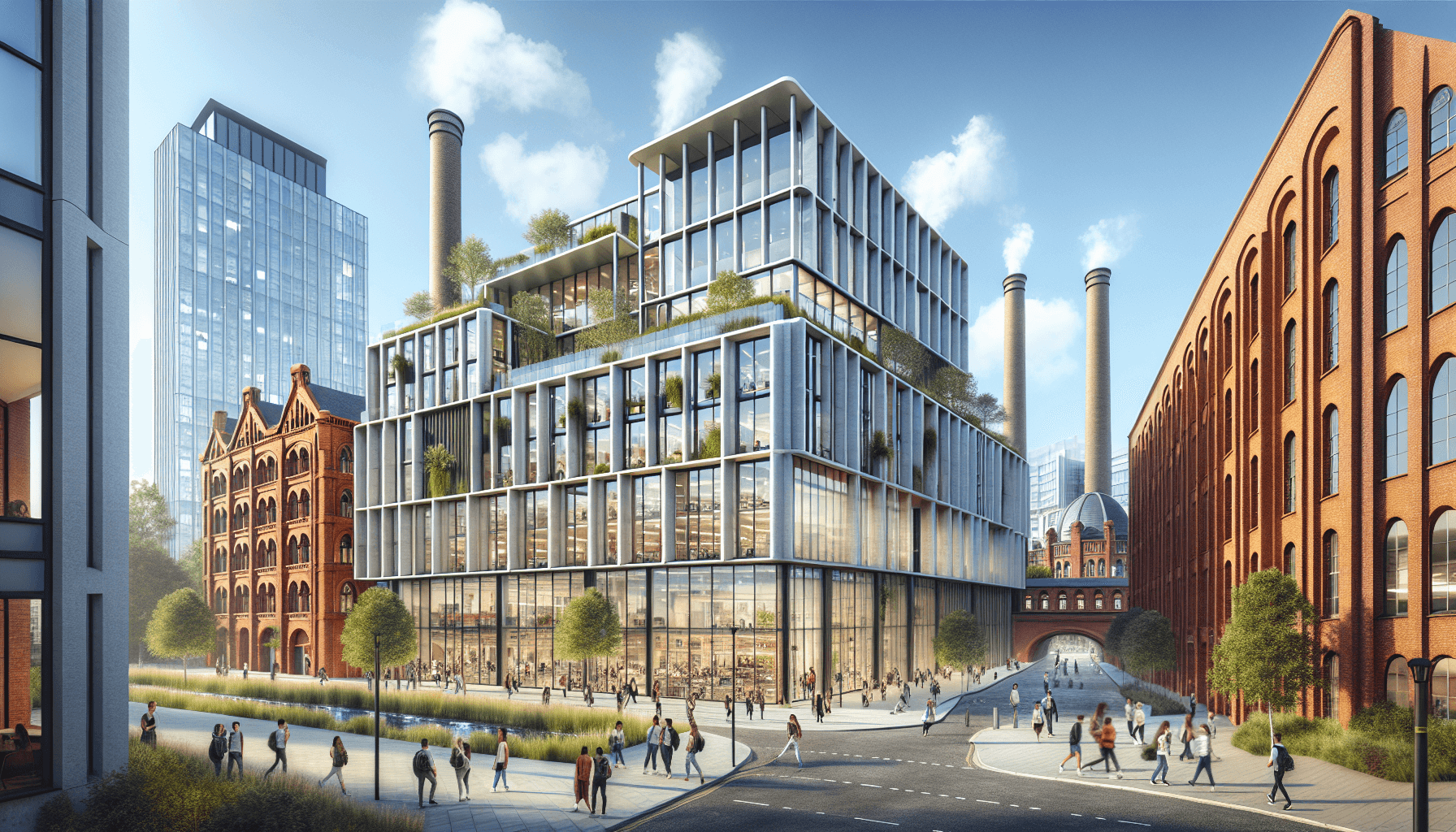

The landscape of the purpose-built student accommodation (PBSA) market in the UK has undergone notable shifts in the past year, influenced by a variety of factors including changing student demographics, sustainability initiatives, and increasing investor interest. These trends not only reflect the current state of the market but also hint at the directions it may take in the near future as stakeholders adapt to the evolving educational environment.
Current Trends in the PBSA Market
Over the last twelve months, the UK PBSA market has seen a surge in demand, particularly for facilities that cater to the preferences of modern students. With increasing numbers of international students seeking higher education in the UK, the need for high-quality, well-located student accommodation has never been more critical. According to recent statistics, the UK welcomed approximately 605,000 international students in the academic year 2022-2023, marking a significant increase from previous years. This influx has heightened competition among PBSA providers to secure prime locations and offer amenities that enhance the student living experience.
This substantial rise in international student enrolment not only underscores the attractiveness of UK universities but also signals a shift in consumer preferences. Modern students are increasingly prioritising accommodation that offers not just a place to stay but a holistic living experience. This has led to a greater focus on amenities such as high-speed internet, communal study spaces, and social areas that foster community engagement. As a result, PBSA operators are compelled to innovate continually, ensuring their offerings align with the expectations of this diverse student demographic.
One of the most prominent trends has been the emphasis on sustainability and eco-friendly living. Many PBSA operators are investing in green technologies and sustainable practices, recognising the importance of environmental responsibility to today’s student population. Developments in this area include energy-efficient building designs, the use of renewable energy sources, and sustainable materials, all aimed at reducing carbon footprints. A recent survey indicated that 73% of students consider sustainability a key factor when choosing their accommodation, underscoring the necessity for operators to adapt to these preferences.
This growing commitment to sustainability is not merely a trend; it represents a fundamental shift in how students view their living environments. The integration of sustainable practices can enhance the overall appeal of a PBSA development, potentially leading to higher occupancy rates and student satisfaction. As operators strive to meet these expectations, they may find that investments in green technologies yield long-term financial benefits, positioning them as leaders in a competitive market.
Investment Insights and Market Dynamics
The investment landscape for PBSA continues to flourish, with significant capital flowing into the sector. In 2022, the UK PBSA market attracted over £4.3 billion in investments, illustrating the sustained confidence from investors despite broader economic uncertainties. Major players in the industry, including firms like Unite Students and Greystar, have been actively expanding their portfolios, often targeting major university cities such as London, Manchester, and Birmingham.
Such robust investment activity reflects not only the resilience of the PBSA market but also the strategic focus of investors on locations with strong student populations. With universities in major cities continuing to attract significant numbers of both domestic and international students, these markets remain highly appealing. Investors are increasingly seeking projects that combine student accommodation with other uses, recognising the potential for diverse revenue streams and enhanced property value.
Furthermore, there is a growing trend towards mixed-use developments that incorporate student accommodation alongside retail and leisure spaces. This approach not only diversifies revenue streams for investors but also creates vibrant communities that appeal to students. A recent project in Manchester exemplifies this strategy, with a £150 million development that includes 800 student beds alongside shops and communal spaces designed for students to socialise and engage with their surroundings.
The financial viability of such mixed-use projects is becoming increasingly clear. By creating multifaceted environments that cater to students’ needs, developers can drive footfall and foster a sense of community. This model not only enhances the living experience for students but also attracts other residents and visitors, leading to a more dynamic local economy. As the demand for these types of developments continues to grow, investors are likely to prioritise such projects in their portfolios.
Anticipated Changes in the Coming Year
Looking ahead, several factors are expected to influence the PBSA market in the next twelve months. The ongoing recovery from the COVID-19 pandemic will likely continue to shape student accommodation preferences. As universities adapt to hybrid learning models, flexibility in leasing options and the availability of high-quality study spaces will become paramount. Providers may need to rethink their offerings to ensure they can accommodate both in-person and remote learners effectively.
This adaptation to hybrid learning is crucial as it aligns with the evolving educational landscape. Students now seek accommodation that supports both academic and personal needs, which may include study pods, technology-enhanced common areas, and quiet zones for focused work. By addressing these requirements, PBSA operators can create environments that not only meet current demands but are also adaptable for future changes in educational delivery.
Another significant consideration is the potential regulatory changes that could impact the sector. The UK government has indicated a commitment to improving housing standards, which may result in stricter regulations for student accommodation. Operators must stay abreast of these developments to ensure compliance and maintain their competitive edge. The introduction of measures aimed at enhancing tenant rights is also on the horizon, which could necessitate changes in operational practices within the sector.
As the regulatory landscape evolves, operators will need to engage proactively with policymakers to advocate for sensible regulations that protect student interests while supporting the growth of the PBSA market. By fostering strong relationships with local authorities and stakeholders, operators can ensure their voices are heard in discussions about future housing policies, thus positioning themselves advantageously in a rapidly changing environment.
As the UK PBSA market continues to evolve, stakeholders must remain agile and responsive to changing trends and student expectations. The focus on sustainability, the influx of international students, and potential regulatory changes will all play crucial roles in shaping the future landscape of student accommodation. By embracing these trends and adapting their strategies accordingly, PBSA operators and investors can position themselves for success in a competitive market. The next twelve months will undoubtedly be a pivotal period for the industry, presenting both challenges and opportunities for those involved.